
Hot air rises. Simple physics, but most Australian roof cavities trap that heat with nowhere to go, and by mid-afternoon in summer it’s sitting up there at temperatures that push straight down into living spaces below. A whirlybird solves this mechanically, no power needed, just wind and a bit of clever engineering spinning hot air straight out.
We install and service whirlybirds across residential and commercial properties, and honestly, it’s one of the more cost-effective upgrades a roof can get.
How a Whirlybird Roof Vent Actually Works
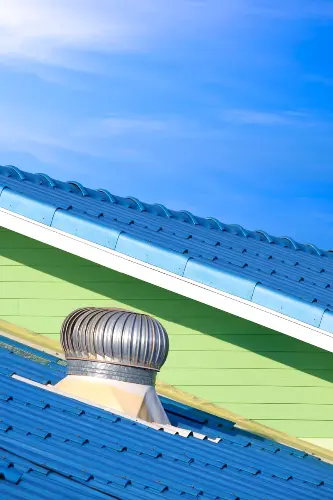
Wind passes over the turbine on top, creates a slight vacuum inside the vanes, and that pulls hot air up and out of the roof cavity below. No electricity, no moving parts beyond the spinning turbine itself. A well positioned whirlybird roof vent can shift a genuinely large volume of hot air per hour, even on days with barely any breeze at all.
That constant air movement matters more than people expect. Static roof cavities without ventilation just bake all day, and that heat radiates down through the ceiling long after the sun’s gone down.
Roof Ventilation Systems: Whirlybirds vs Alternatives
Roof ventilation comes in more forms than just whirlybirds, solar powered fans, ridge vents, gable vents. But whirlybirds remain the most common choice for a reason. They’re mechanical, need zero power input, and keep working through blackouts when a solar or electric fan simply stops.
Roof ventilation systems work best when sized correctly for the roof space they’re covering. Undersize it and you’re not moving enough air to matter. Oversize it and you’re paying for capacity the roof doesn’t need. We calculate this based on roof volume and existing insulation, not a one-size-fits-all number pulled from a catalogue.
Whirlybird Installation Near Me: What the Job Involves
Search whirlybird installation near me and you’ll find plenty of options, but the installation itself matters just as much as the product. A poorly flashed whirlybird becomes a leak point within a year or two, which defeats the entire purpose of the upgrade.
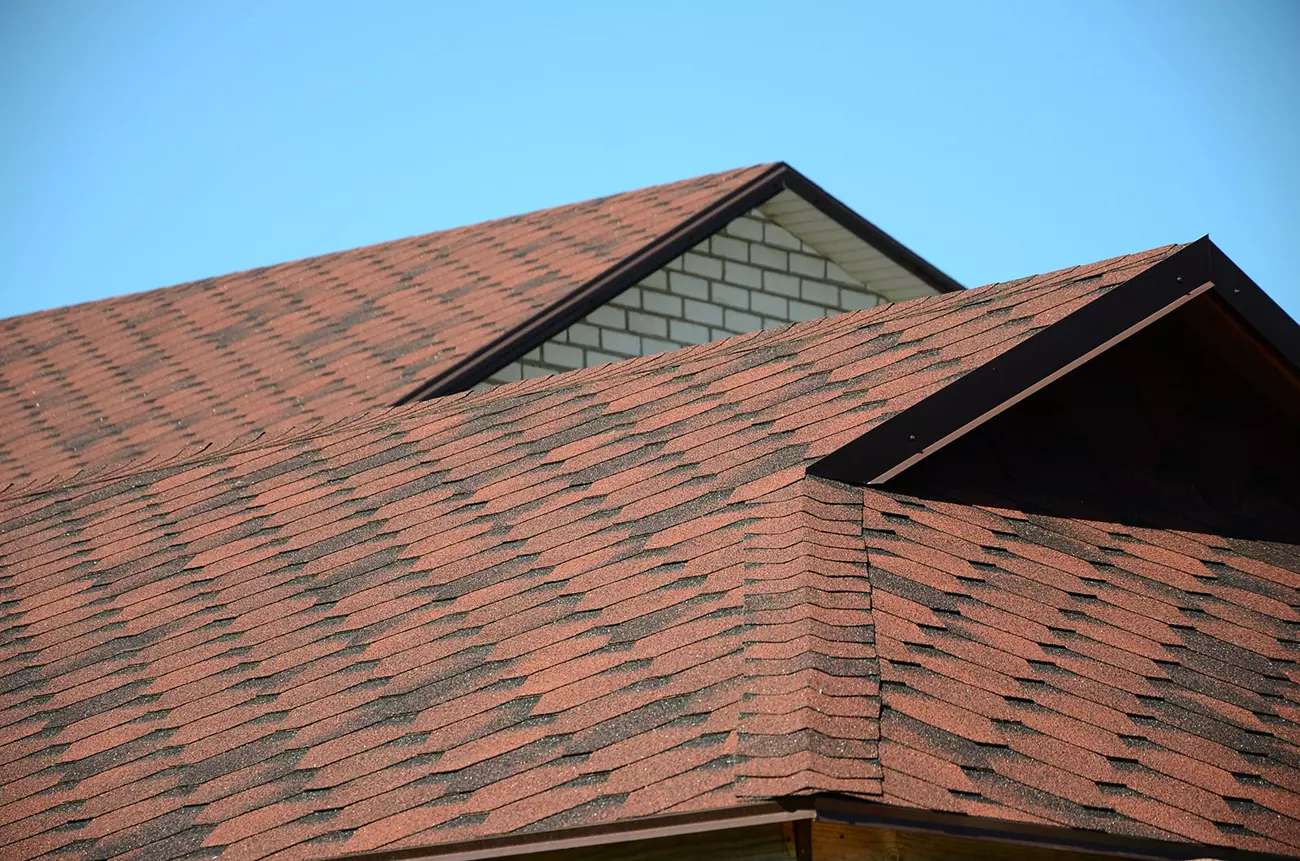
Our whirlybird installers flash every penetration properly, matching the roof material whether that’s tile or Colorbond, and seal it to the same standard we’d use on any other roof penetration. Get this step wrong and you’ve traded a heat problem for a water problem.
Roof Whirlybird Vents for Different Roof Types
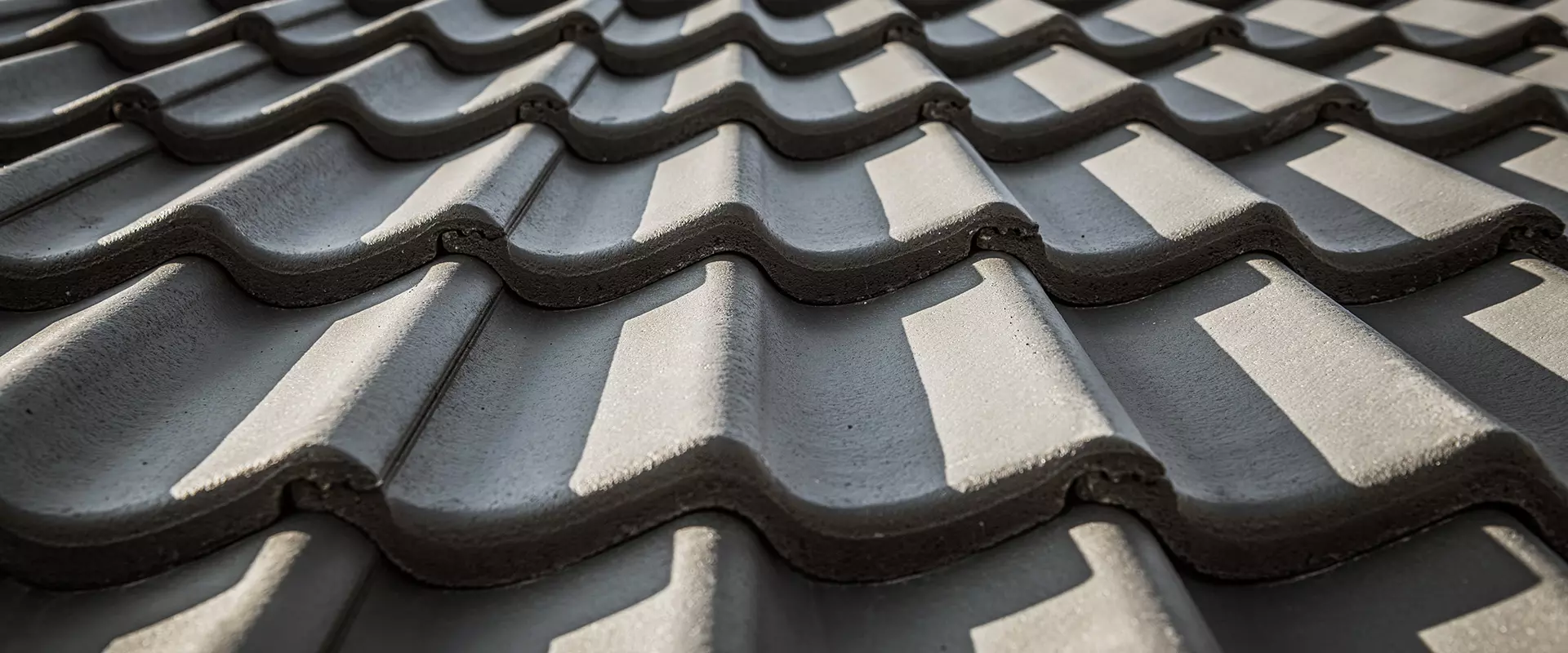
Roof whirlybird vents mount differently depending on what’s underneath them. Tile roofs need a different base flashing than metal roofs, and older terracotta especially needs careful handling around the cut tiles surrounding the vent. We match hardware and flashing method to the actual roof, not a generic install process applied everywhere.
How Many Whirlybirds Does Your Roof Need?
This comes up constantly, and the honest answer is it depends on roof size, pitch, and existing insulation levels. A small single-storey home might need just one, while a larger or more complex roofline often benefits from two or three positioned strategically across different sections.
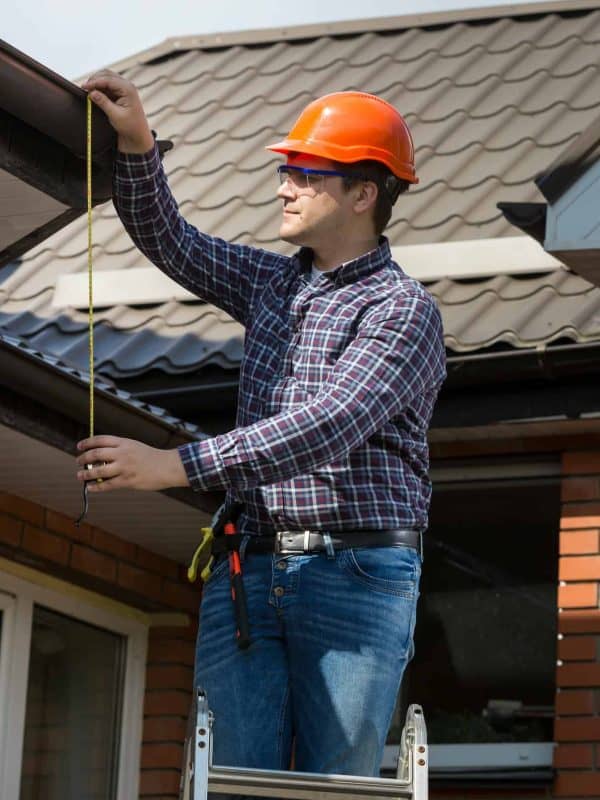
We assess this during inspection rather than guessing off a floor plan, since roof pitch and existing gable vents change the calculation more than people realise.
If your roof needs broader attention beyond ventilation, our roof maintenance programme covers ongoing checks for flashing, tiles, and general roof condition alongside any whirlybird servicing. And if you’re dealing with a Colorbond roof specifically, our metal roofing team handles the flashing detail around the vent to match the rest of the installation.