
Your Roof Saviour
Your Roof Saviour
Most roof leaks are not tile failures — they are roof flashing failures. Our roofing and flashing specialists find the exact failure point, install permanent waterproof flashing solutions, and back every job with a 10-year workmanship guarantee. Same-day emergency response available.
Submit the form
Consultion
Roof Service
Residential Projects
Commercial Projects
Trained Roofers
Satisfied Clients

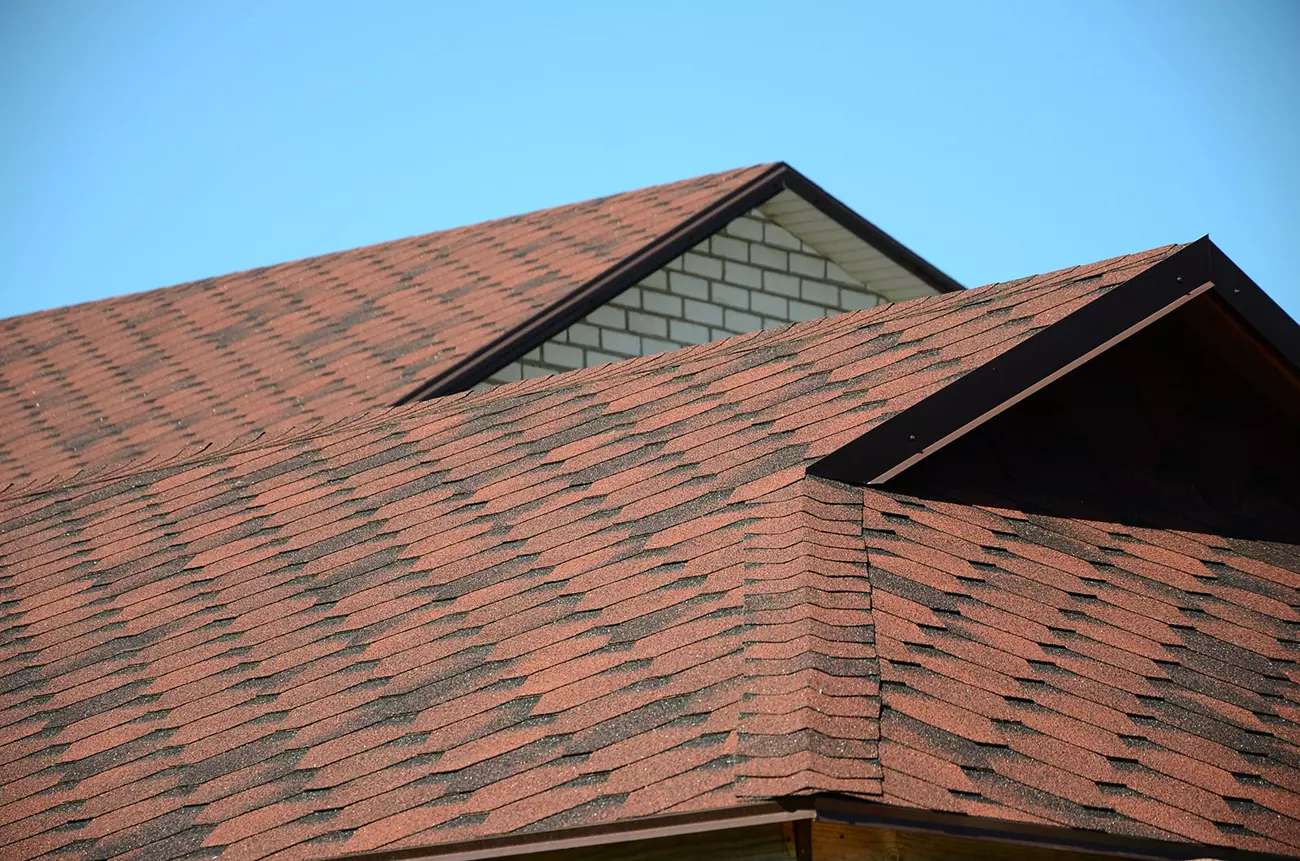
1250+ more then clients in global reviews
Every roof has junction points where two surfaces meet, where a pipe penetrates the sheeting, where a wall rises above the roofline, or where a chimney breaks through the tile plane. These junctions cannot be sealed by roofing material alone. They require roof flashing: purpose-made metal or membrane components that bridge the gap, direct water away from the opening, and maintain a permanently watertight seal through years of thermal movement and weather exposure. Consequently, when roof flashing fails, water enters regardless of how good the tiles or sheeting surrounding it are.
At All Your Roofing, our roofing and flashing service covers every flashing type across every roof system. We install new flashing for a roof on new builds, extensions, and re-roofs. We carry out roof flashing repair on failed or deteriorated existing systems. Additionally, we replace sealant-only patches, the most common form of DIY flashing repair, with correctly lapped and mechanically fixed metal or membrane systems that are designed to last decades rather than years. Therefore, every flashing job we complete addresses the cause of the water entry rather than coating over it.
Failed roof flashing is one of the most common sources of emergency roof leaks. Therefore, our emergency response team is available 24 hours a day, 7 days a week for active water ingress caused by flashing failure
Not all roof flashing failures are visible during a standard inspection. Stepped chimney flashing failures and concealed valley flashing separations often allow water to travel several meters before appearing inside.
Every roof flashing installation and repair is backed by a full 10-year transferable workmanship warranty. Moreover, where we supply flashing materials, those materials carry their own manufacturer warranties for corrosion resistance and weathering performance, typically 25 to 50 years for quality lead.
Waterproof flashing is not a one-size-fits-all product. Lead flashing is the traditional choice for chimney and masonry abutments it is soft, malleable, and durable for decades.
Every technician is licensed under QBCC, NSW Fair Trading, and all relevant state equivalents. Furthermore, all team members carry Working at Heights certifications and are covered by $20M public liability insurance.
Roof flashing repair costs should be clear before any work begins. You receive a firm written quote after the inspection, itemised by flashing type, material specification, and labour. That price is locked in for 30 days.
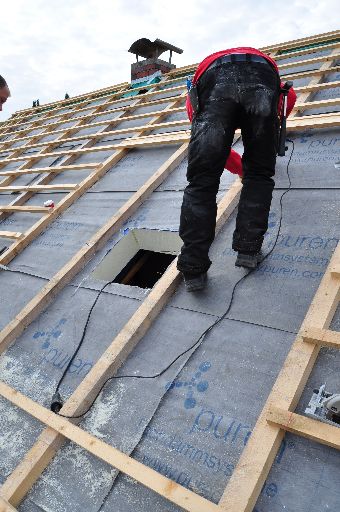
1250+ more then clients in global reviews
Industry data consistently shows that the majority of roof leaks originate at flashing junctions rather than through tiles or roofing sheets. However, because water travels along roof framing before dripping through at a ceiling low point, the leak is often attributed to a tile or sheet fault that is not actually the entry point.
Chimney flashing failures and skylight flashing separations are particularly damaging because they typically sit above valuable interior spaces — living rooms, master bedrooms, and home offices
Chimney flashing does not only protect the roof surface. It also protects the chimney itself. Water entering at the flashing junction tracks down between the chimney masonry and the roof structure
A failed roof flashing repair typically costs between $300 and $1,500 depending on the flashing type, location, and material. In contrast, the internal damage that a persistent flashing leak causes, including ceiling replacement, insulation removal, structural timber treatment, and flooring repair regularly exceeds $10,000 to $30,000
Most leaks people can’t figure out come down to one thing: flashing. Not the tile, not the sheet metal, the flashing. It’s the thin strip of metal doing the unglamorous job of sealing every gap where your roof meets something else, a chimney, a wall, a skylight, a vent pipe. Get it wrong and water finds its way in through a spot nobody thinks to check.
We install and repair every type of roof flashing across residential and commercial properties. Some jobs are quick, a section of flashing that’s pulled away after years of thermal movement. Others take more digging, especially when the leak’s been travelling along the flashing line for months before anyone noticed.
Ask any experienced roofer where they check first on a leak call and chances are they’ll say the chimney. Chimney flashing has to deal with two different materials expanding and contracting at different rates, brick and metal, and that mismatch eventually opens up gaps at the seams.
We rebuild these properly. Step flashing under the tiles or sheets, counter flashing set into the mortar joint, and a sealant that’s actually rated for the movement it’ll see over the next decade rather than something that’ll crack in year two.
Window flashing gets overlooked constantly, mostly because nobody’s up on the roof checking it until water’s already showing up on an internal wall somewhere. Where a roofline meets a wall, or where a window sits under an eave line, the flashing there is doing double duty against both rain and wind-driven moisture.
We check these junctions on every inspection, not just when someone’s specifically worried about a window. It’s cheap to fix early and genuinely annoying to trace once water’s tracked down inside a wall cavity for a few months.
Colorbond flashing needs to match the roof sheet both in profile and in coating, otherwise you end up with a visible mismatch and, worse, a spot where galvanic corrosion can start between dissimilar metals. We source flashing that’s colour and profile matched to whatever’s already on the roof, whether that’s an original installation or a repair on something fitted years ago by someone else.
Fastener choice matters here too. The wrong screw type against Colorbond sheeting speeds up corrosion right at the point you’re trying to seal.
Not every flashing issue needs a full strip-out. Roof flashing repair on a section that’s just lifted or loosened is usually a same-day fix once we’re up there. Full replacement comes into play when the flashing’s corroded through, when sealant’s failed across multiple sections, or when whoever installed it originally used the wrong material for the job.
We’ll tell you straight which category your roof falls into. There’s no reason to sell someone a full flashing replacement when a targeted repair does the job just as well.
Waterproof flashing isn’t a single product, it’s really a system: the flashing metal itself, the sealant, the fasteners, and how everything overlaps to shed water downhill rather than trap it. Flashing for a roof only works if every layer of that system holds up together, which is why we check the whole junction rather than just patching the visible gap.
Here’s the thing about roofing and flashing, you can’t really separate them. A brand new roof with poorly installed flashing will leak just as fast as an old roof with failing flashing. We treat flashing as part of the roof itself during every job, not as an afterthought bolted on once the main work’s done.
If your flashing keeps failing and it’s tied to a bigger issue, like widespread rust on a metal roof or tiles that have shifted enough to open gaps at every penetration point, that’s usually a sign the roof needs more than a flashing fix. Our full restoration service addresses that at the source. And if you’re dealing with active water coming through right now, our roof leak repair team runs thermal detection to find exactly where flashing (or anything else) is letting water in.
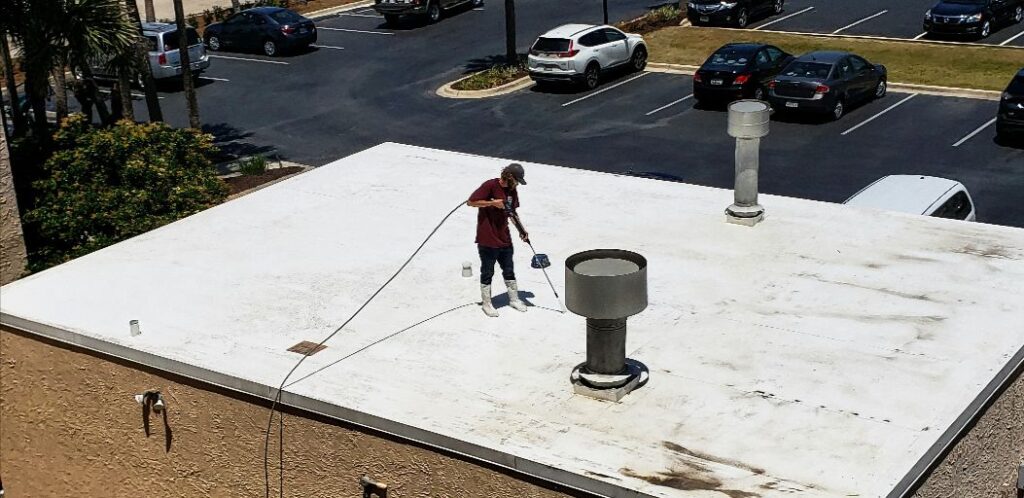


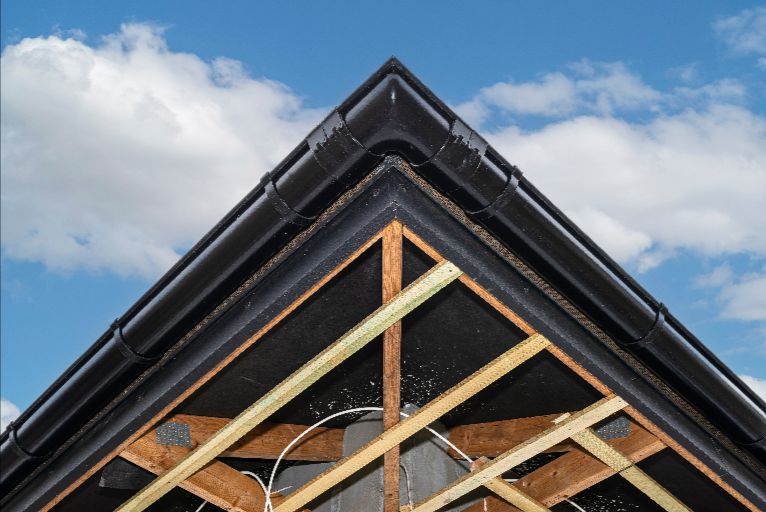
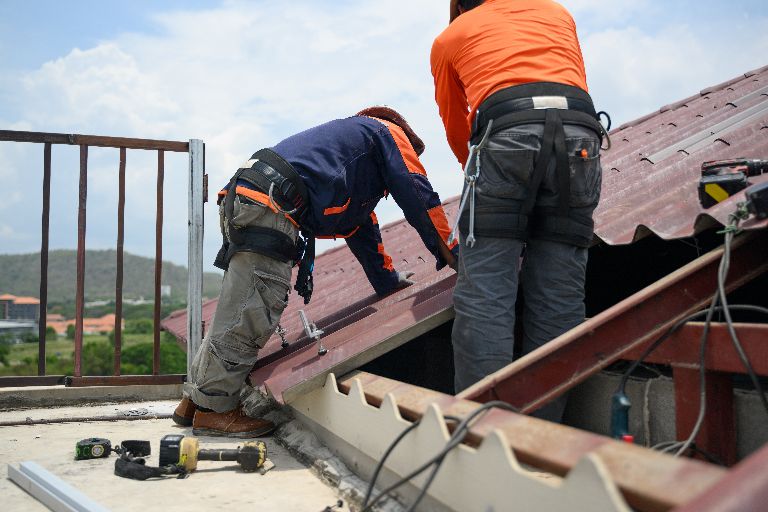



Roof flashing is the collective term for the metal or membrane components used to seal junctions, transitions, and penetrations on a roof surface. It matters because these are the points where water is most likely to enter a building
The lifespan of roof flashing depends on the material used and the quality of the original installation. Lead flashing installed correctly at a chimney or masonry abutment typically lasts 50 to 70 years.
This is the most common misdiagnosis in residential roofing. In most cases, a leaking chimney is not a tile problem. It is a chimney flashing failure. Water enters at the junction between the chimney masonry and the roof surface, tracks down the back of the chimney or along the chimney sides, and drips through at ceiling level.
Several materials are used for roof flashing depending on the application, roof type, and local conditions. Lead is the traditional and most durable option for chimney flashing and masonry abutments — it is soft, malleable, and extremely long-lived. Colorbond and aluminium are used for valley flashing and penetration flashings on metal and tile roofs.
Roof flashing repair costs depend on the flashing type, location, access requirements, and the material needed. Furthermore, roof flashing costs in multi-storey or difficult-access situations attract a height and access premium.
Minor sealant touch-ups on accessible flashings can be carried out by a confident homeowner. However, correct roof flashing repair particularly chimney flashing replacement and valley re-flashing, requires licensed roofing tradespeople with the correct materials, tools, and technique
The most reliable indicator of a roof flashing failure is a recurring internal leak that does not respond to tile or sheet repairs. Additionally, visual signs to look for from the ground include lifted or bent metal at roof junctions, visible separation between the flashing edge and the masonry or wall surface.
In most cases, roof flashing repair and replacement does not require council approval. It is classified as routine maintenance under the building codes in most Australian states and territories.
One of our roofing and flashing specialists will contact you within two hours. You receive a no-obligation quote, a free on-site flashing assessment, and a written condition report confirming the failure point and the recommended repair scope. Whether you need chimney flashing replacement, a waterproof flashing repair at a skylight or penetration, or a full roof flashing repair across multiple junctions — we are available this week and ready to help.

Protecting your home and business with expert roofing solutions built on quality, integrity, and decades of industry experience.
© 2026 AllYourRoofingNeeds By NextServe. All Rights Reserved.